If some rooms in your home feel cold in the winter, hot in the summer, or constantly drafty, you’re not alone. Many homeowners deal with comfort problems without realizing that the real issue might not be their HVAC system at all.
Often, the problem is something called air leakage—tiny gaps and cracks throughout your home that allow outside air to enter and indoor air to escape.
Air sealing is the process of finding and sealing those leaks so your home can maintain consistent temperatures, improve comfort, and reduce wasted energy.
Let’s break down what air sealing is, why it matters, and how it can make your home more comfortable year-round.
What Is Air Sealing?
Air sealing is the process of closing gaps, cracks, and openings in your home’s structure that allow air to move in and out.
Every home has small openings where air can leak through. These often exist around:
- Attic hatches
- Electrical outlets
- Plumbing and wiring penetrations
- Recessed lighting
- Window and door frames
- Basement rim joists
- Ductwork openings
- Hidden air pathways into the attic
Even though these gaps may seem small, together they can add up to the equivalent of leaving a window open all year long.
When these openings allow outside air in and indoor air out, your heating and cooling system has to work harder to keep your home comfortable.
Air sealing closes those leaks using materials like:
- Caulk
- Spray foam
- Weatherstripping
- Specialized sealing materials
The goal is to control where air enters and exits your home, improving both comfort and energy efficiency.
Why Air Leaks Cause Comfort Problems
Many homeowners think temperature problems are caused by a furnace or air conditioner that isn’t powerful enough. But often the real problem is air moving through the house where it shouldn’t be.
Here are a few common examples.
Drafty Rooms
Cold air can sneak in through tiny cracks in walls, floors, and ceilings. Even if your thermostat says the house is warm, those drafts can make a room feel uncomfortable.
Rooms That Are Too Hot or Too Cold
Air leaks in the attic or basement can pull conditioned air out of your home. This makes some rooms lose heat in the winter, or cool air in the summer, faster than others, causing uneven temperatures.
Temperature Swings
When your home constantly loses conditioned air, your HVAC system has to run more often to keep up. This can create noticeable temperature swings throughout the day.
The Building Science Behind Air SealingBetter Temperature Control
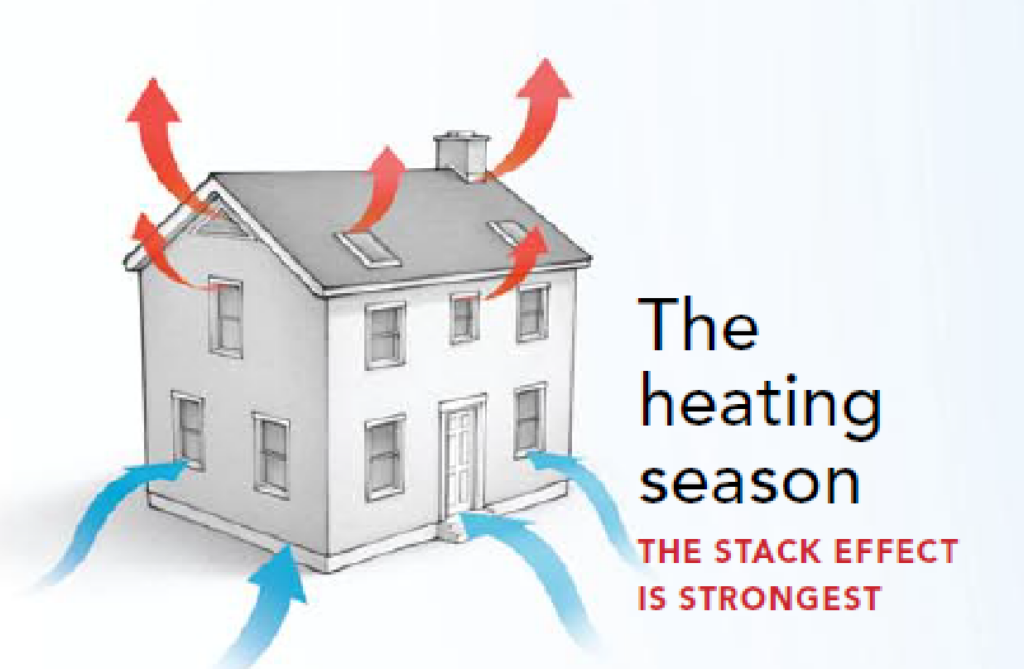
Your home acts like a system where air naturally moves from areas of higher pressure to lower pressure. One of the biggest drivers of air movement is something called the stack effect.
In simple terms:
- Warm air rises
- As it rises, it escapes through leaks in the attic
- This creates a vacuum that pulls cold air into the home through the basement or lower levels
That means leaks at the top and bottom of your house can create constant airflow through the entire building.
Air sealing works by stopping that airflow so the air inside your home stays where it belongs.
Stack Effect in Winter
Warm air rises and escapes through the attic. This pulls cold air into the home through the basement or lower levels.
What homeowners notice:
- Cold floors
- Drafts near baseboards
- Rooms upstairs overheating
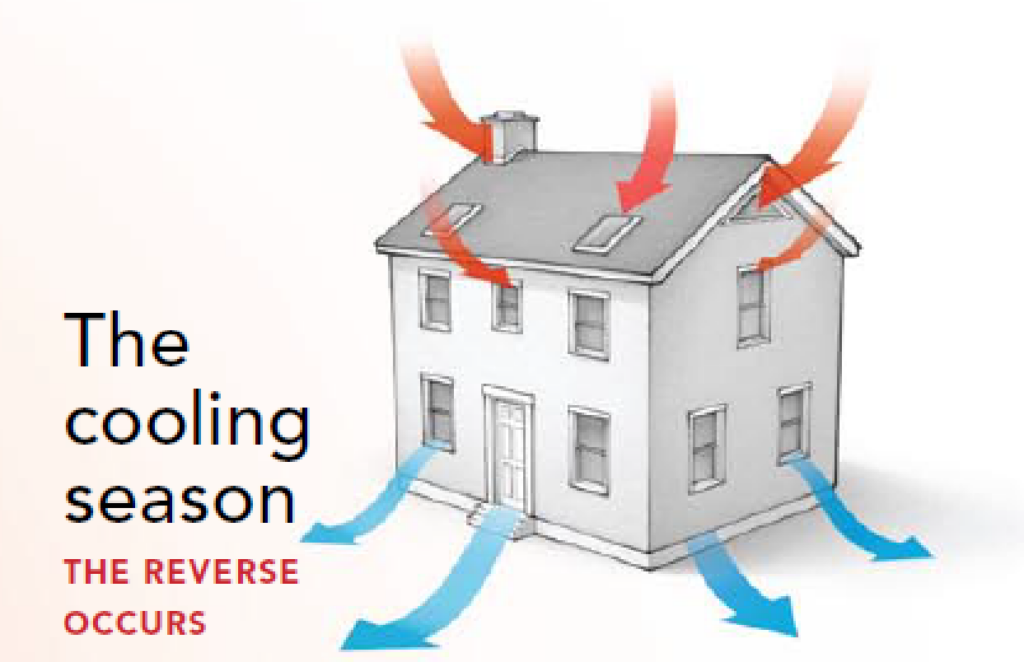
Stack Effect in Summer
Warm outdoor air enters the home through the attic while cooler air escapes through the lower parts of the house.
What homeowners notice:
- Upstairs rooms too hot
- AC runs constantly
- Humidity increases
Where Most Homes Leak Air
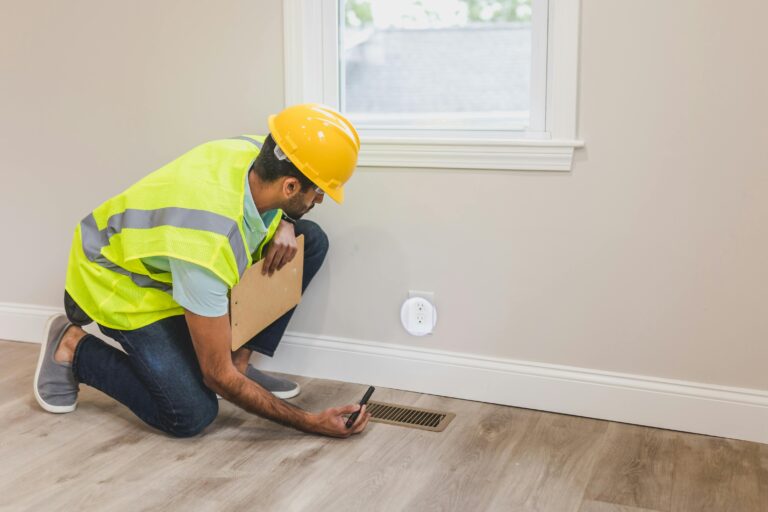
Air leaks tend to happen in predictable areas. During a professional home energy assessment, technicians commonly find leaks in places like:
Attics
Attics are one of the biggest sources of air leakage. Openings around wiring, ductwork, recessed lighting, and attic access points can allow large amounts of warm air to escape.
Basements and Crawlspaces
Air often enters the home through rim joists, foundation cracks, and penetrations for plumbing or electrical lines.
Around Windows and Doors
Over time, seals around windows and doors can degrade, allowing outside air to seep in.
Utility Penetrations
Anywhere pipes, wires, or ducts pass through walls or ceilings can become an air leak.
Because these leaks are hidden, many homeowners don’t realize they exist.
Benefits of Air Sealing
Air sealing is one of the most effective ways to improve your home’s performance. Homeowners often notice several benefits after the work is done.
Improved Comfort
Sealing air leaks helps eliminate drafts and uneven temperatures. Rooms that were previously too hot or too cold become more consistent.
Lower Energy Bills
When air stays inside your home, your heating and cooling system doesn’t have to run as often. This can significantly reduce energy use.
Less Strain on Your HVAC System
Air leaks force HVAC systems to work harder and run longer. Air sealing helps your system operate more efficiently and may extend its lifespan.
Better Indoor Air Quality
Air leaks can pull dust, insulation particles, and outdoor pollutants into your home. Sealing leaks helps reduce this unwanted airflow.
Air Sealing vs. Insulation: What’s the Difference?
Many homeowners assume insulation alone solves comfort problems. While insulation is important, air sealing and insulation serve different purposes.
Insulation slows down heat transfer.
Air sealing stops air movement.
If air leaks exist, insulation often can’t perform properly. In fact, moving air can carry heat right through insulation.
That’s why many home performance upgrades start with air sealing before adding or improving insulation.
How Professionals Find Air Leaks
Air leaks are often invisible, which makes them hard to locate without specialized tools.
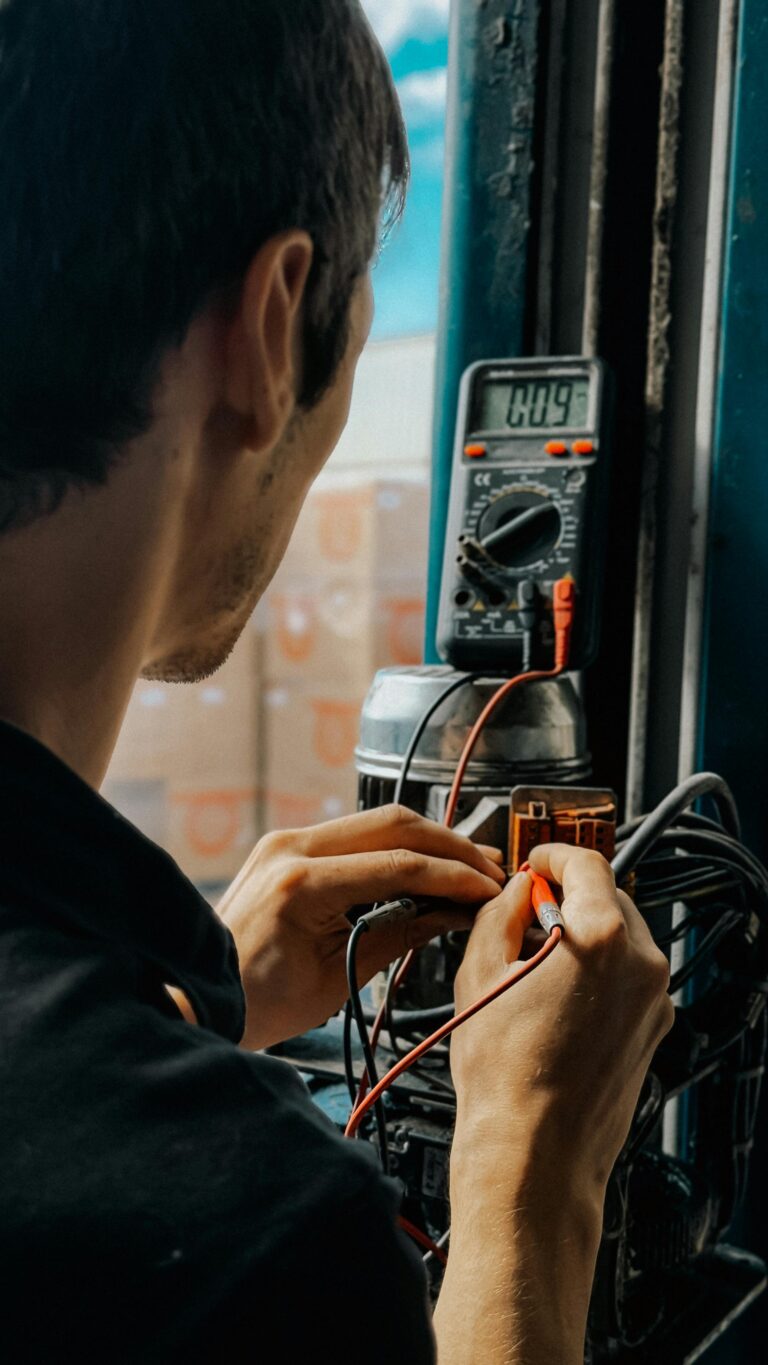
Professional home energy assessments commonly use a blower door test, which depressurizes the home and makes leaks easier to detect.
During this process technicians can:
- Identify major air leakage areas
- Use infrared cameras to find hidden gaps
- Measure how much air your home is losing
This diagnostic approach helps ensure sealing work targets the areas that will make the biggest difference. Testing after air sealing proves the effectiveness of the work.
Is Air Sealing Worth It?
For many homes, especially older houses, air sealing can make a dramatic difference in both comfort and efficiency.
If you notice:
- Drafty rooms
- Uneven temperatures
- High heating or cooling bills
- HVAC systems running constantly
Air leakage could be a major part of the problem.
Because many leaks occur in attics, basements, and wall cavities, a professional evaluation is usually the best way to understand where improvements are needed.
Improve Your Home’s Comfort with Professional Air Sealing
Air sealing may not be as visible as a new HVAC system or new windows, but it can be one of the most impactful upgrades for improving home comfort.
By stopping unwanted airflow, air sealing helps your home:
- Maintain stable temperatures
- Reduce energy waste
- Improve overall comfort
If your home struggles with drafts or uneven temperatures, a professional home energy assessment can most accurately identify hidden air leaks and determine the best solutions.
Fixing those leaks could be the key to finally making your home feel comfortable year-round.
Ready to Make Your Home More Comfortable?
If your home feels drafty or uneven in temperature, air sealing could be the solution. A professional home performance evaluation can identify exactly where your home is losing energy.
Contact Solaire Energy online or call 570-673-4004 today to schedule your estimate and ensure your new home is built for comfort, efficiency, and long-term performance.
Solaire Energy proudly serves Canton, Pennsylvania and surrounding areas.