When it comes to improving your home’s comfort and energy efficiency, there are countless upgrades to consider—from smart thermostats to high-efficiency HVAC systems. But one of the most effective and cost-efficient improvements is often overlooked: attic insulation.
Proper insulation isn’t just about keeping your home warm in the winter or cool in the summer—it’s about creating a barrier that prevents energy loss, reduces utility bills, and increases overall comfort. In this guide, we’ll explore why attic insulation is such a smart investment, how it works, and what options homeowners have.
Why Your Attic Matters
The attic is one of the most critical areas for energy efficiency in your home. Heat naturally rises, and without adequate insulation, it can easily escape through the roof during winter months. In the summer, your attic can act like a furnace, letting heat seep into living spaces below.
According to the U.S. Department of Energy, properly insulating your attic can account for up to 25% of your home’s heating and cooling efficiency, a figure consistently supported by independent studies on residential energy consumption. The DOE further emphasizes that optimal R-values vary significantly by climate zone, underscoring the need for tailored insulation solutions to maximize energy savings.
How Attic Insulation Works
Insulation works by slowing down the transfer of heat between your living space and the outside environment. Materials like cellulose, fiberglass, or spray foam trap air in small pockets, creating a barrier that reduces heat flow.
- In winter: Insulation keeps warm air inside your home, reducing the demand on your heating system.
- In summer: Insulation slows heat from entering your living space, helping your air conditioning system work less.
By minimizing heat transfer, insulation reduces energy waste, keeps your home at a consistent temperature, and increases comfort.
Benefits of Attic Insulation
Investing in attic insulation provides several long-term benefits that make it one of the smartest home upgrades:
1. Lower Energy Bills
By preventing heat loss in winter and heat gain in summer, insulation reduces the workload on your heating and cooling systems. This translates to lower energy consumption and monthly utility savings. Studies by the Environmental Protection Agency (EPA) suggest homeowners can save an average of 10-50% on heating and cooling costs by optimizing their insulation levels.
2. Improved Home Comfort
Insulation helps maintain even temperatures throughout your home. No more cold spots in the winter or overheated rooms in the summer. As noted by energy efficiency expert Dr. Sarah Jenkins, “Consistent indoor temperatures are not just about comfort; they significantly reduce the strain on HVAC systems, extending their lifespan and improving overall indoor air quality.”
3. Enhanced Energy Efficiency & Incentives
Upgrading your attic insulation is one of the most cost-effective ways to improve your home’s energy efficiency. It works alongside HVAC systems, sealing leaks, and other energy-saving measures for maximum impact. Beyond direct savings, many homeowners are eligible for federal tax credits, state rebates, or local utility incentives for insulation upgrades, further enhancing the financial return on investment.
4. Noise Reduction
Insulation isn’t just for temperature control. It also acts as a sound barrier, reducing noise from outside and between floors in your home, contributing to a quieter living environment.
5. Environmentally Friendly
Lower energy use means reduced carbon emissions, making insulation an eco-friendly upgrade. Certain types, like cellulose insulation made from recycled materials, also reduce environmental impact further, aligning with sustainable living practices.
Types of Attic Insulation
There are several insulation options to consider depending on your budget, home design, and energy goals:
1. Fiberglass Batts or Rolls
- Affordable and widely available
- Easy to install in open attic spaces
- Effective if installed correctly without gaps, typically offering R-values between R-2.9 and R-3.8 per inch.
2. Blown-In Cellulose
- Made from recycled paper treated for fire resistance
- Fills gaps and irregular spaces better than batts
- Environmentally friendly and highly efficient, with R-values often ranging from R-3.2 to R-3.8 per inch.
3. Spray Foam
- Provides superior air sealing and high R-value
- Fills cracks and hard-to-reach areas
- More expensive but highly effective for energy savings and moisture control, often achieving R-values of R-3.5 to R-7.0 per inch.
Choosing the right type often depends on your home’s layout, existing insulation, and budget. A professional energy audit can help determine the most effective solution.
Understanding R-Value: The Core of Insulation Efficiency
The effectiveness of insulation is quantified by its R-value, a measure of its resistance to heat flow. A higher R-value indicates greater insulating power and better thermal performance. The U.S. Department of Energy provides specific R-value recommendations based on your geographic location and climate zone, ensuring optimal energy performance tailored to your region’s climate demands. Understanding R-value is crucial for selecting the right insulation to achieve maximum energy savings and comfort.
Signs Your Attic Needs More Insulation
How do you know it’s time to upgrade or add insulation? Common signs include:
- High energy bills despite normal usage
- Drafty rooms or uneven temperatures
- Ice dams forming on your roof in winter
- Exposed joists with little or no insulation
- Hot attic in summer that radiates heat into living areas
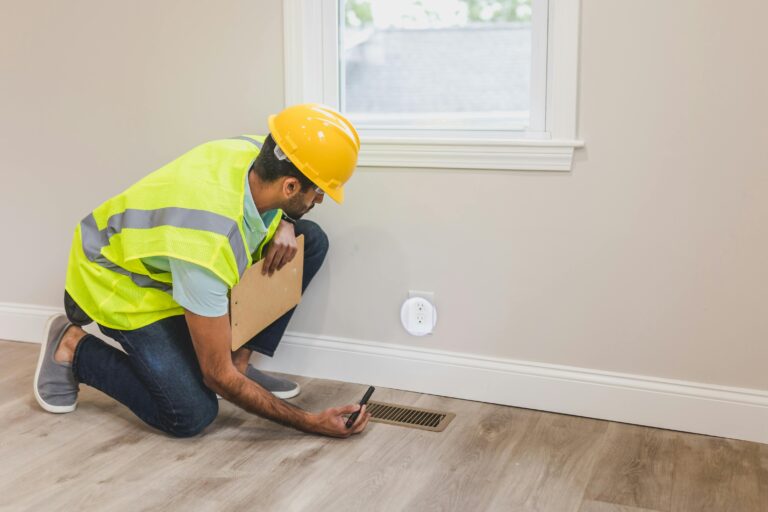
If you notice any of these signs, it’s worth scheduling a professional inspection to assess your attic’s insulation levels and identify potential energy loss points.
Why It’s Worth the Investment
Attic insulation is a long-term investment that pays off in multiple ways:
- Reduced energy costs
- Improved comfort year-round
- Increased home value
- Lower environmental impact
In fact, studies show that homeowners can recoup a significant portion of their insulation costs through energy savings within just a few years. According to the 2023 Cost vs. Value Report, attic insulation consistently ranks among the top home improvements for return on investment, often recouping over 100% of its cost at resale. Pairing insulation upgrades with air sealing, HVAC maintenance, or energy-efficient windows amplifies these benefits even further.
Professional Installation Matters
While some homeowners may attempt a DIY insulation project, professional installation ensures even coverage, proper R-value, and no gaps. A certified installer, often holding credentials from organizations like the Building Performance Institute (BPI), can also identify hidden air leaks, moisture issues, or ventilation problems that could undermine the effectiveness of your insulation, ensuring compliance with local building codes and safety standards for optimal performance and safety.
Final Thoughts
Attic insulation is one of the smartest, most cost-effective energy upgrades for any home. It reduces energy waste, keeps your home comfortable year-round, lowers utility bills, and contributes to a greener environment. With multiple insulation types and professional installation options, homeowners can find a solution that fits their budget and energy goals, backed by proven returns and environmental benefits.
Ready to Upgrade Your Home’s Energy Efficiency?
If you’re interested in boosting comfort and cutting energy costs, contact Solaire Energy today. Our team of experts can perform a professional attic inspection, recommend the best insulation solution for your home, and help you achieve long-lasting energy savings. Don’t wait—make your home warmer, more efficient, and more comfortable today!