When it comes to heating and cooling your home, today’s homeowners have more choices than ever. Two of the most popular options are mini split systems (also called ductless heat pumps) and traditional HVAC systems. Each comes with its own set of strengths, and choosing the right one depends on your home’s layout, your comfort preferences, and your long-term energy goals.
At Solaire Energy, we believe an informed homeowner is an empowered homeowner. That’s why we’ve created this side-by-side comparison to help you better understand the differences between mini splits and traditional HVAC—and determine which system might be the best fit for your home in central and northern Pennsylvania.
How They Work
Mini Split Systems
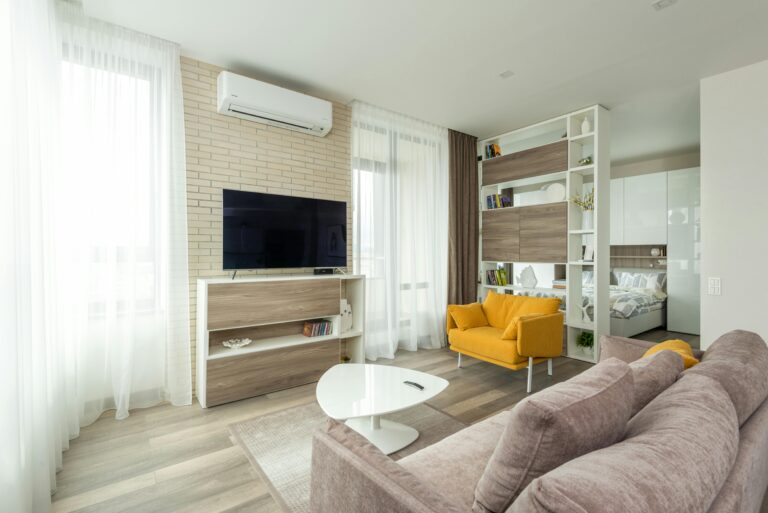
A mini split system uses an outdoor compressor connected to one or more indoor air-handling units. Because they don’t require ductwork, mini splits deliver conditioned air directly into the rooms they serve. Each indoor unit can be controlled independently, giving you precise control over your comfort.
Traditional HVAC Systems
A traditional system—like a central furnace paired with air conditioning—relies on ductwork to distribute heated or cooled air throughout your home. The system uses a central thermostat, which controls the temperature for the entire house at once.
Installation
Mini Split:
Mini splits are generally easier and less invasive to install. Because they don’t need ductwork, they’re perfect for older homes, additions, or areas where ducts are impractical. Installation usually involves mounting an indoor unit, connecting it to the outdoor unit, and running a small conduit through the wall.
Traditional HVAC:
Traditional systems require a full network of ducts. If your home already has ductwork, installation is relatively straightforward. However, for homes without ducts, installation can be time-consuming, invasive, and costly.
Winner: Mini split systems for flexibility, especially in homes without existing ductwork.
Energy Efficiency
Mini Split:
Mini splits are highly efficient, thanks to their ductless design. Traditional ducts can lose up to 30% of heated or cooled air through leaks or poor insulation. Mini splits avoid this loss altogether. They also allow for zoned heating and cooling, so you’re not paying to condition rooms you’re not using.
Traditional HVAC:
While modern furnaces and air conditioners have become more efficient over the years, they can’t match the targeted efficiency of mini splits. Whole-home conditioning through ducts often means more energy use—especially in larger homes.
Winner: Mini split systems for superior energy savings.
Comfort & Control
Mini Split:
Mini splits excel at giving you control. Each indoor unit has its own thermostat, allowing different rooms or “zones” to be set to different temperatures. That means no more family battles over the thermostat—and no more heating or cooling unused rooms.
Traditional HVAC:
With a single thermostat for the entire home, traditional systems offer less flexibility. While they keep the whole house at one set temperature, it can be difficult to eliminate hot and cold spots, particularly in multi-story homes.
Winner: Mini splits for customized comfort.
Appearance & Space Requirements
Mini Split:
Indoor air handlers are mounted on walls, ceilings, or floors. While slim and unobtrusive, some homeowners prefer not to see them. On the plus side, mini splits don’t require large furnace units or duct chases, which frees up basement and closet space.
Traditional HVAC:
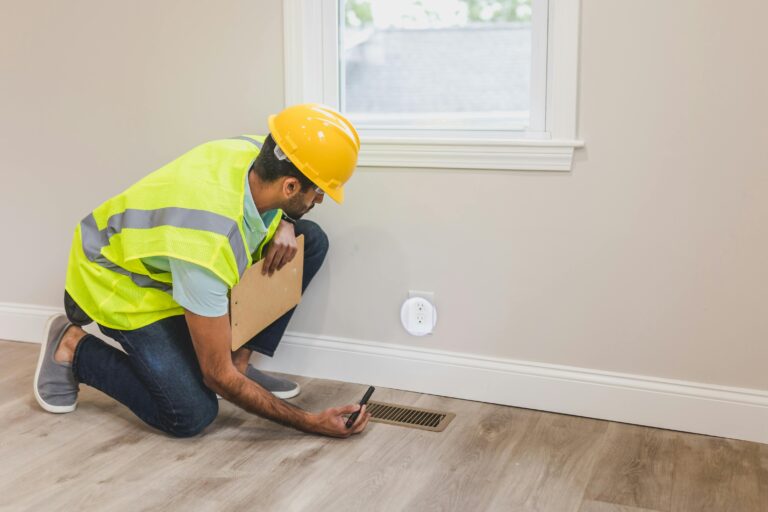
With ducts hidden in walls and vents tucked neatly into floors or ceilings, traditional systems are largely invisible—aside from the furnace or air handler. For homeowners who prefer a seamless aesthetic, this can be a big plus.
Winner: Traditional HVAC systems for discreet design.
Maintenance
Mini Split:
Maintenance is relatively simple: clean or replace filters regularly and schedule professional inspections to ensure efficiency. Because each unit is independent, a problem in one zone doesn’t necessarily affect the others.
Traditional HVAC:
In addition to changing filters, traditional systems require duct maintenance. Over time, ducts can collect dust, debris, and allergens—or even develop leaks—reducing efficiency and indoor air quality.
Winner: Mini splits for lower ongoing maintenance needs.
Cost Considerations
Mini Split:
Upfront, mini splits can cost more per unit than replacing a single furnace or AC. However, the installation is less invasive in homes without ducts, and the long-term energy savings often offset the higher initial investment.
Traditional HVAC:
If your home already has ducts in place, replacing an old furnace or AC with a new unit is often less expensive initially. But ongoing energy costs may be higher, especially if ductwork isn’t sealed or insulated properly.
Winner: It depends—mini splits for long-term savings, traditional HVAC for lower upfront costs (if ducts are already installed).
The Bottom Line: Which Is Right for You?
Both systems can effectively heat and cool a home. The decision comes down to your priorities:
- Choose a mini split system if you want maximum efficiency, zoned comfort, and flexibility for spaces without ductwork.
- Choose a traditional HVAC system if your home already has ducts, you value an invisible design, and you’re looking for a potentially lower upfront investment.
Why Trust Solaire Energy?
Since 1995, Solaire Energy has been guiding Pennsylvania homeowners toward smarter, more sustainable energy solutions. Whether you’re considering the switch to a ductless mini split or upgrading your current HVAC system, our team is here to provide expert advice and professional installation tailored to your home’s unique needs.
We’re not just about heating and cooling—we’re about creating efficient, comfortable, and sustainable living environments that stand the test of time.
Ready to Explore Your Options?
If you’ve been weighing the pros and cons of mini split vs. traditional HVAC, let Solaire Energy help you make the best choice for your home. Contact us today for a free consultation and discover how the right system can improve your comfort while lowering your energy costs.